

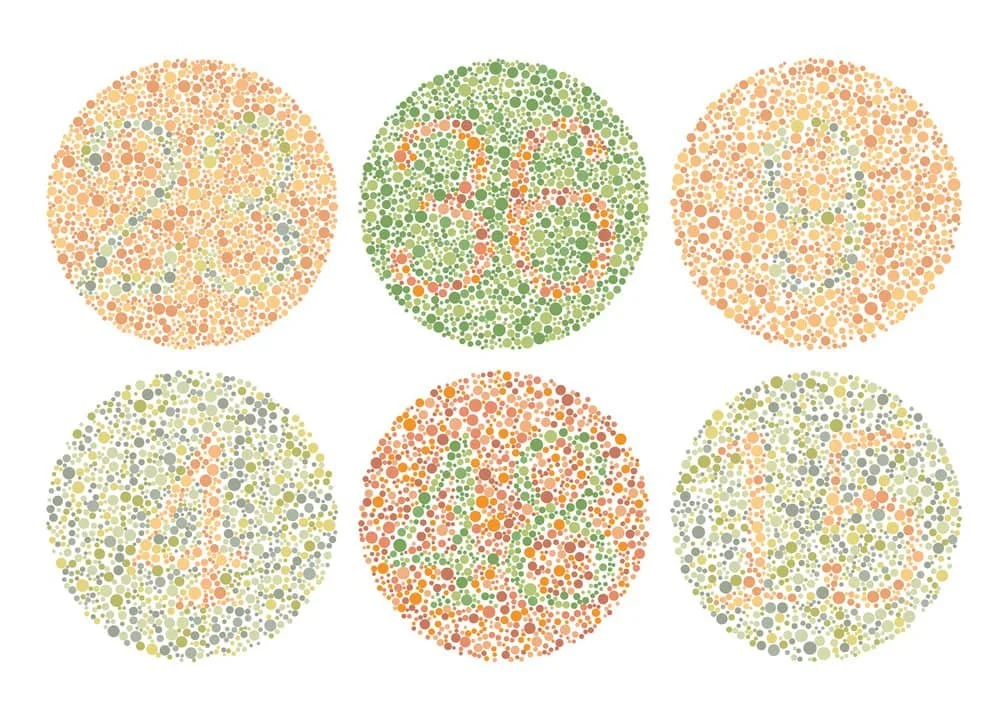
One of the most common misconceptions about eye care is that you only need an eye test when something feels wrong. If you can read road signs clearly or use your phone without difficulty, it’s easy to assume your eyes are perfectly healthy.
In reality, many eye conditions develop gradually and without noticeable symptoms in the early stages. Regular eye tests are not just about checking how well you see—they are an essential part of preventive health care.
Vision Clarity vs Eye Health: What’s the Difference?
Seeing clearly does not always mean your eyes are healthy. Vision clarity measures how sharp your sight is, while eye health assessments evaluate the overall condition of your eyes.
An eye exam checks for:
-
Changes in your prescription
-
Eye muscle balance and coordination
-
Eye pressure
-
Early signs of eye disease
Some conditions progress silently and may only be detected through professional testing.
Early Detection Prevents Long-Term Problems
Many eye conditions are far easier to manage when caught early. These include:
-
Glaucoma
-
Cataracts
-
Age-related vision changes
-
Eye strain-related complications
Without regular testing, these issues can go unnoticed until vision loss or discomfort becomes significant.
Early detection allows for:
-
Timely intervention
-
Better long-term outcomes
-
Reduced treatment costs
-
Preservation of vision quality
Eye Tests Are Not Only for Older Adults
While age increases the likelihood of vision changes, younger people are not exempt from eye issues. Children, students, professionals, and screen-heavy workers can all experience vision problems that affect learning, productivity, and comfort.
Common reasons younger adults need eye tests include:
-
Increased screen exposure
-
Undetected refractive errors
-
Headaches and fatigue
-
Difficulty focusing
Routine testing ensures vision supports daily demands rather than working against them.
How Lifestyle Changes Impact Your Eyes
Your eyes respond to changes in lifestyle more than you might expect. Increased screen time, reduced outdoor activity, stress, and poor sleep can all affect how your eyes function.
An eye test helps assess how these factors are influencing your vision and whether corrective measures—such as lens adjustments or protective coatings—are needed.
Eye Tests and Children’s Development
For children, vision plays a crucial role in learning and development. Undiagnosed vision problems can lead to:
-
Difficulty reading
-
Poor concentration
-
Slower academic progress
-
Reduced confidence
Children may not always know how to explain vision issues, making routine eye tests especially important.
How Often Should You Get an Eye Test?
While individual needs vary, general guidelines suggest:
-
Adults: once every 1–2 years
-
Children: as recommended based on age and development
-
Anyone with discomfort, headaches, or visual changes: immediately
A professional eye care provider can recommend the ideal frequency based on your lifestyle and eye health history.
Final Thoughts
Eye tests are not a reaction to poor vision—they are a proactive investment in your long-term eye health. Even when everything seems fine, routine check-ups help ensure your eyes continue to perform at their best.