

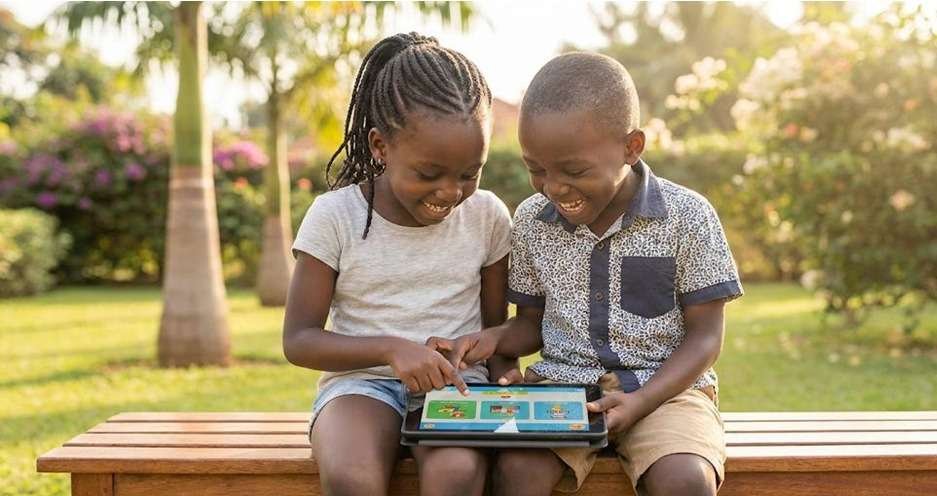
How Excessive Screen Time Is Affecting Children’s Eyesight — And What You Can Do About It
In today’s digital era, screens are everywhere. From online learning to mobile games and TV shows, children spend more time in front of digital devices than ever before. While technology has its benefits, one silent consequence is becoming a growing concern for parents and eye-care professionals — childhood myopia, commonly known as short-sightedness.

What Exactly Is Myopia?
Myopia is a condition where distant objects appear blurry while near objects remain clear. It occurs when the eyeball grows slightly longer than normal, causing light rays to focus in front of the retina instead of directly on it.
While mild myopia is common and correctable with glasses or contact lenses, the worrying trend is that children are developing it much earlier, and their eyesight is deteriorating faster than in previous generations.
The Alarming Rise of Myopia in Children
Research shows that by 2050, over half of the global population will be affected by myopia — a staggering statistic experts link directly to increased screen exposure and reduced outdoor playtime.
Children today spend long hours doing “near work” — reading, typing, or watching screens up close. Their eyes remain focused at a short distance for extended periods, which strains the focusing muscles and accelerates myopia development.
At Mahdi Opticals, we’ve noticed more parents bringing children who complain about headaches, squinting at the board, or difficulty seeing far objects clearly.
Why Is It Happening?
The two biggest contributors are:
- Increased near work: prolonged screen time keeps eyes locked in close-focus mode.
- Lack of outdoor activity: exposure to natural daylight helps regulate healthy eye growth and reduces the risk of myopia progression.

Signs Your Child May Have Myopia
Watch for these early warning signs:
- Sitting too close to the TV or holding screens very near the face
- Complaints of blurry distance vision
- Frequent eye rubbing or squinting
- Headaches or eye strain after reading or screen use
What Parents Can Do — Practical Steps
The good news? Myopia can be managed and slowed down with early detection and proper eye-care habits.
- Schedule regular eye check-ups: early screening is key. Mahdi Opticals offers free vision tests for children.
- Follow the 20-20-20 rule: every 20 minutes, take a 20-second break to look at something 20 feet away.
- Encourage outdoor time: at least 90 minutes of natural light each day helps reduce risk.
- Ask about myopia-management lenses: options like MiSight, Stellest, or MiyoSmart can help slow progression.
Why It Matters Now More Than Ever
Unchecked myopia increases the risk of serious eye conditions later in life, such as glaucoma, cataracts, and retinal detachment. The earlier you act, the better your child’s long-term visual health.
At Mahdi Opticals, we’re committed to helping families make informed choices for their children’s vision. With qualified optometrists and cutting-edge lenses, we ensure every child sees the world as clearly as possible — today and for years to come.
Book a Free Eye Test Today
Take the first step in protecting your child’s eyes.
Visit us at Adlife Plaza, Kilimani
Call 0742 000 498