

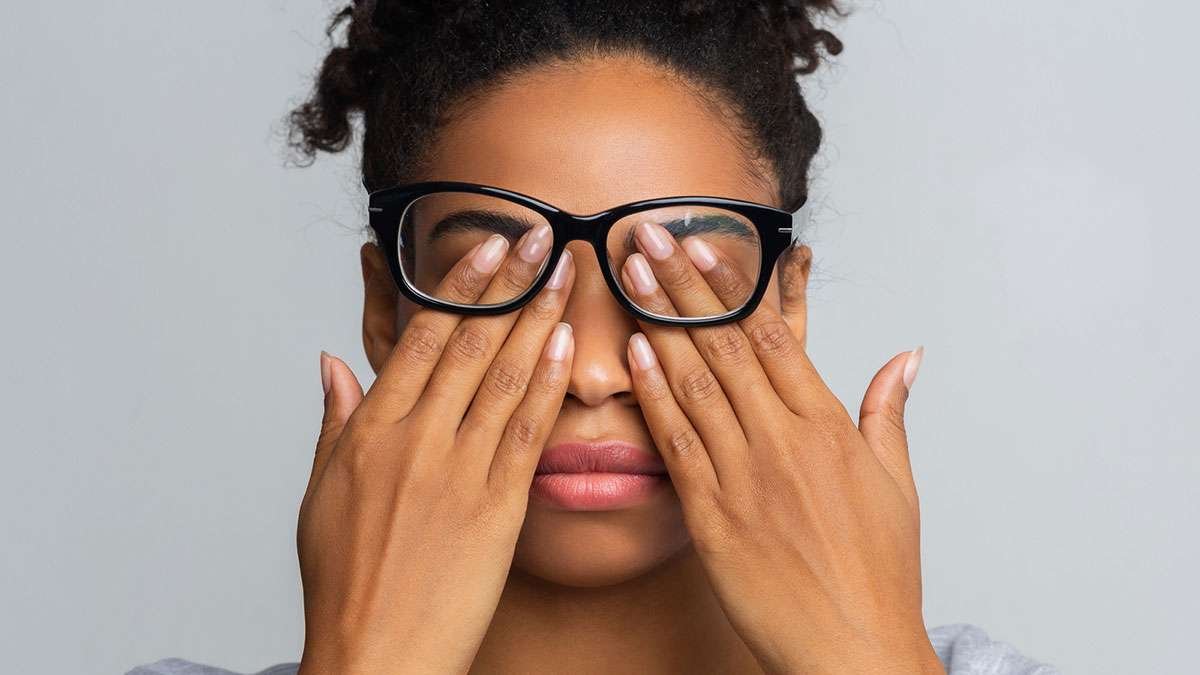
Most people assume that eye problems only come with age. In reality, many vision issues develop quietly over time—often as a result of everyday habits we barely think about. From how long we spend on screens to how we handle our eyewear, small daily choices can have a significant impact on long-term eye health.
Understanding these habits is the first step toward protecting your vision and ensuring your eyes stay healthy, comfortable, and sharp for years to come.
1. Prolonged Screen Use Without Breaks
Smartphones, laptops, tablets, and TVs are now part of daily life. While digital devices are essential, excessive screen time without proper breaks places strain on your eyes.
Common effects include:
-
Eye fatigue and discomfort
-
Dry, irritated eyes
-
Headaches
-
Blurred or fluctuating vision
This is often referred to as digital eye strain. It doesn’t necessarily mean your eyesight is worsening permanently, but repeated strain can make your eyes work harder than they should.
What helps:
-
Follow the 20–20–20 rule (every 20 minutes, look at something 20 feet away for 20 seconds)
-
Use lenses designed for screen use
-
Ensure proper lighting when working
2. Wearing the Wrong Prescription (or No Prescription at All)
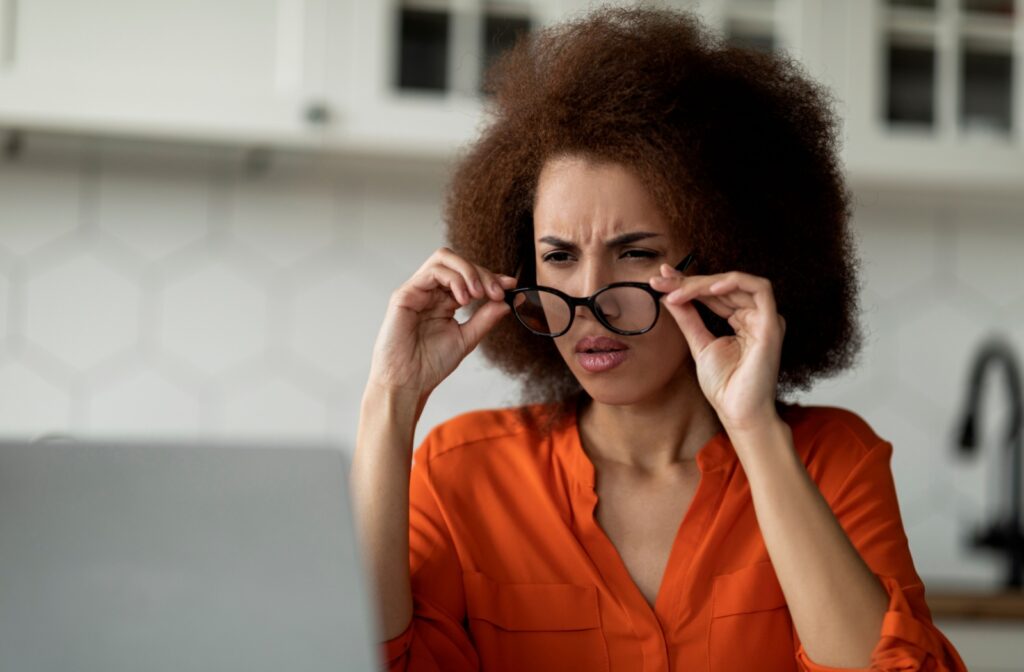
Many people continue using old glasses long after their prescription has changed. Others struggle with vision but delay getting tested because they “can still see well enough.”
Over time, wearing the wrong prescription can lead to:
-
Frequent headaches
-
Squinting
-
Eye strain
-
Reduced visual clarity
Your eyes naturally adapt, which can hide the problem temporarily. However, this constant compensation puts unnecessary pressure on your visual system.
Key takeaway:
Regular eye tests are not only about clarity—they help ensure your eyes are working efficiently and comfortably.
3. Poor Lighting Conditions
Working or reading in lighting that is too dim—or excessively bright—forces your eyes to strain in order to focus.
Examples include:
-
Reading in low light
-
Using screens in dark rooms
-
Facing harsh overhead lighting without diffusers
Poor lighting doesn’t directly damage the eyes, but prolonged strain can cause fatigue and discomfort that affects productivity and concentration.
Simple improvements:
-
Use soft, evenly distributed lighting
-
Avoid glare on screens
-
Position light sources to reduce reflections
4. Not Wearing UV Protection Outdoors
Many people associate sunglasses with fashion rather than eye protection. However, exposure to ultraviolet (UV) rays can be harmful to your eyes over time.
Long-term UV exposure has been linked to:
-
Early cataract development
-
Retinal damage
-
Increased risk of eye conditions later in life
Importantly, UV damage can occur even on cloudy days.
What to look for:
-
Sunglasses with proper UV protection
-
Prescription sunglasses if you already wear glasses
5. Poor Eyewear Hygiene
Glasses are worn daily but cleaned irregularly—or incorrectly. Using clothing, tissues, or harsh chemicals can damage lenses and coatings.
Unclean lenses can:
-
Reduce visual clarity
-
Cause eye strain
-
Shorten the lifespan of your glasses
Best practice:
Clean lenses with proper cleaning solutions and microfiber cloths, and store glasses in a protective case when not in use.
6. Ignoring Early Warning Signs
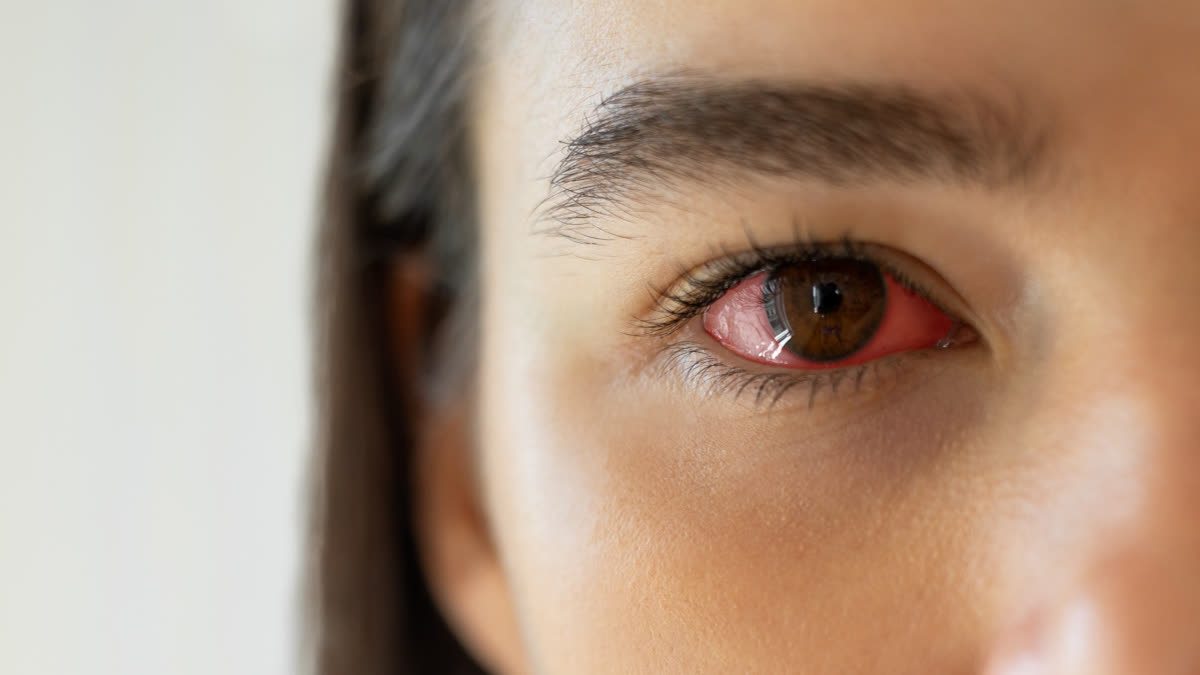
Blurred vision, eye discomfort, sensitivity to light, or frequent headaches are often dismissed as stress or fatigue. While these may seem minor, they can indicate underlying vision issues that require professional attention.
Early detection through routine eye exams allows problems to be addressed before they become more complex or costly.
Final Thoughts
Your vision is shaped by the habits you practice every day. Small adjustments—paired with regular eye tests and the right eyewear—can make a significant difference in how your eyes feel and function.
Protecting your eyesight is not about reacting to problems; it’s about preventing them.